Meditate to Regulate

If you're navigating autism, ADHD, or that combo folks call AuDHD, possibly other neurodivergence, you know how wild the nervous system can get. Sensory overload, emotional rollercoasters, meltdowns, shutdowns, or just that constant buzz of distraction. It's all tied to how our brains process the world differently, like with heightened senses or executive function ups and downs. This guide is built from a personal practice aimed at regulating the autonomic nervous system, that automatic part of you that handles stress and calm. It's made with neurodivergent needs in mind, flexible, sensory-aware, and no pressure to do it "right." Think of it as a toolkit to observe, soothe, and flow without forcing anything. And yeah, this is totally original, pulled together from everyday experiences and backed by general research on what helps folks like us. Remember, this meditation stuff is a practice, not a one-and-done deal.
We build it daily, like training a skill for real-life moments. Don't wait until a crisis hits thinking, "Oh, I have to remember this now." Nope, you practice regularly so when the tough stuff comes, it's muscle memory, well-rehearsed. It's like not showing up to the Super Bowl without drills; you'd fumble. But catch a ball a bunch of times in practice, and you're way better at grabbing it when it counts. Same here, consistent sessions wire your brain for calmer responses over time, as studies on habit formation in neurodivergence show.
The idea draws from mindfulness and body-based approaches, tailored for us. Studies show mindfulness can ease ADHD symptoms and anxiety in autistic people by building better emotional control. It helps shift from overload to a more grounded spot, honoring strengths like deep focus or empathy. Do it for 10 to 20 minutes when you can, or chop it into quick bits if attention drifts, super common with ADHD. Find a spot that's kind to your senses, maybe dim lights or headphones. If stuff feels tied to bigger things like trauma, chat with a therapist who gets neurodiversity. Jot notes in a journal or app afterward: how regulated do you feel on a scale of 1 to 10, what triggered it, like a noisy day, and adjust. Getting Ready: A Quick Check-In Start by tuning into where you are. Ask yourself: Am I feeling connected and calm, wired and anxious, or numb and frozen? For AuDHD, figure if it's more sensory stuff from the autism side or scatter from ADHD. If you're shut down, weave in some stimming like fidgeting.

If hyper, try a bit of movement. Research points to these self-checks helping spot nervous system states early, making regulation easier. Grab what helps: a fidget toy, something weighted, a list of emotions and needs you make yourself, think overwhelm from crowds or need for quiet. A cozy bed or chair, a pet for company, a bit of chocolate for that dopamine hit, or a calming scent if smells don't bother you. Keep a journal handy. The Steps: Easy Flow to Follow
Soothe Yourself: Get Cozy and Kind
Bring in outside comfort that matches your senses. Snuggle in bed, pet a fur friend, nibble chocolate mindfully. Stay in that safe zone.
Add a weighted blanket for pressure love, or warm tea. Whisper a gratitude like safe to be me or a wish for ease. No rush to figure it all out, just hang in comfort, eases the brain load. Self-soothing tools like these support nervous system reset in neurodivergence.
Get Present: Tune Into Senses and Surroundings
This pulls you into the now to cut through loops or sensory chaos. Start easy, name what you notice with your senses: sights, sounds, smells, tastes, touches. If five feels too much, like with sensory sensitivity in autism, pick one or two. Feel the room's temperature, gravity holding you steady, maybe your feet on the ground for that deep pressure input. Look around slowly for anything that feels safe.
If it fits, add rocking or tapping your knees side to side to release pent-up energy, great for AuDHD meltdowns. For ADHD wander, link it to something you love, like noticing patterns in a favorite game. It tells your system hey, we're okay here. Grounding like this can quickly calm the autonomic response, as seen in studies on neurodivergent stress management.
Build Safety: Picture and Feel Comfort
Create a bubble of security inside, especially when the world feels unpredictable. Imagine a spot or moment that's pure comfort, maybe tied to a special interest like a quiet forest from your fave story. Let it sink into your body.
Anchor it with a hand on your heart or a real memory of chill time alone, unmasked. Add a scent if it soothes, skip if not. This kicks in calm vibes and helps with the emotional highs we often ride. Visualization techniques support nervous system balance in autistic adults, reducing daily anxiety.
Breathe to Settle: Keep It Slow and Simple
Breath work calms that inner nerve setup. In through the nose, out through the mouth, make the out-breath a tad longer. Pause naturally.
Hum gently on the out-breath if vibrations feel good, it stimulates calm directly. For ADHD, make it fun with counts. For autism, ease in if focusing on breath feels weird, go even on ins and outs. Lean here during big flares. Deep breathing activates parasympathetic calm and is a go-to for ADHD and autism regulation.
Spot Emotions and Feels: Notice Without Fixing
Get curious about what's bubbling up, no judgment, even if naming feelings is tricky for us. Pull from your list: frustrated from waiting, flooded by lights. How does it show in your body, like a knot in the stomach?
Scan your body by switching focus, tense spot to calm one, like racing thoughts to solid legs. If it's too much, picture parking it aside for now. Just watch, don't push away, perfect for when we mask hard. This kind of awareness builds emotional flexibility, which research links to better outcomes in ADHD and autism.
Hear the Message: Dig Into the Why
Emotions have info, especially our intense ones. What are they pointing to, like a story of too much noise or unmet need for routine?
Think needs: space from people, a clear plan. Ask inside: what are you guarding against, overload maybe? Say thanks. This separates you from the auto reactions, conditions spark imagination but that's not all of who you are. Exploring emotions this way can improve self-regulation, as noted in studies on neurodivergent youth.
Shift View: Dream Up Something Better
Ease into a positive spin using our creative brains. Picture a better feel or outcome, like calm after storm, really sense it.
Do this after noticing to keep it real, helps rewire for good stuff. Skip if raw, back to breath. Turns intensity into power. Positive imagery aids in reducing stress for those with autism and ADHD.
Accept and Release: Let It Be
Welcome what's here, drop the reins. Watch thoughts and feels roll in from auto mode.
They come in waves, let them pass when ready. If looped, switch focuses. Remember, this system runs itself, not your core self. Acceptance practices reduce overall stress in autistic adults.
Wrap and Move: Go With the Flow
Ease out, act if it feels natural, not forced, especially during low energy. Sometimes existing is enough, no push needed. Opportunities show up on their own.
Check your vibe: good flow, go for it. Otherwise rest. End with a stretch or sip of water. When you do stuff later, weave in breaks to match our ebbs and flows. Mindful transitions help maintain regulation long-term.
Optional Restore Your Body: Gentle Yoga or Total Rest
To deepen the calm and integrate everything, add some restorative yoga postures if your body and energy allow it. These are super gentle, held for a few minutes each with breath, focusing on release rather than effort, perfect for neurodivergent folks who might need proprioceptive input or a way to unwind sensory tension without overwhelm. No need to be perfect, listen to your limits, especially if motor coordination or fatigue is a thing in AuDHD. Props make it accessible: think blankets, pillows, bolsters, or even a wall for support. They help prop you up so muscles can fully relax, reducing any strain. If movement feels like too much or triggers sensitivity, skip it all and just stay in bed or your cozy spot, finding whatever position feels nurturing, like curling up with knees to chest or lying flat with arms out. That's valid and regulating too.
Here are a few easy postures to try, explained simply:
Child's Pose: Kneel on the floor or bed, sit back on your heels if comfy, fold forward with arms extended or by your sides, forehead resting down. It compresses the front body gently, calming the nervous system like a hug. Props: Pillow under forehead or knees for cushion, blanket over back for warmth. Hold 3 to 5 minutes, breathe into your back. Great for autism-related shutdowns as it provides boundaries and dimmed input.

Legs Up the Wall: Lie on your back near a wall, scoot your butt close, and swing legs up to rest against it, arms out relaxed. This inversion drains tension from legs and lower back, promoting circulation and parasympathetic rest. Props: Folded blanket under hips for lift, eye pillow for darkness. Hold 5 to 10 minutes. Ideal for ADHD fatigue as it rejuvenates without effort.

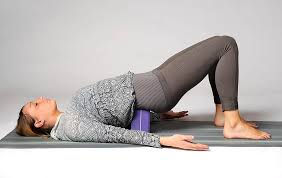
Supported Bridge: Lie on back, bend knees, lift hips slightly, slide a bolster or pillows under lower back/sacrum. Let knees fall together or apart as comfy. It opens the chest mildly, releasing stored stress. Props: Bolster or stacked blankets for support, strap around thighs if needed. Hold 3 to 5 minutes. Helps AuDHD balance by grounding while gently stretching.
Wrapping Up and Tweaks After, note the change, what clicked for your neurotype like less sensory buzz.
Quick hits: Just first three steps for emergencies. Daily prevent: Morning or night, link to habits. Shutdown vibes: Extra movement. High energy: More hums and tools. AuDHD mix: Blend freely. If limited, stick to mind stuff. Apps can remind.
If it sticks around like constant meltdowns, add affirming support. This is a start, not everything. Research backs consistent practices like these for building resilience in neurodivergence. Keep at it to grow that inner strength. Observe, soothe, roll with it. Make it yours for autism, ADHD, AuDHD life. You've got this.


Comments